Light Therapy for Winter Depression: Does It Actually Work, and How to Use It Properly
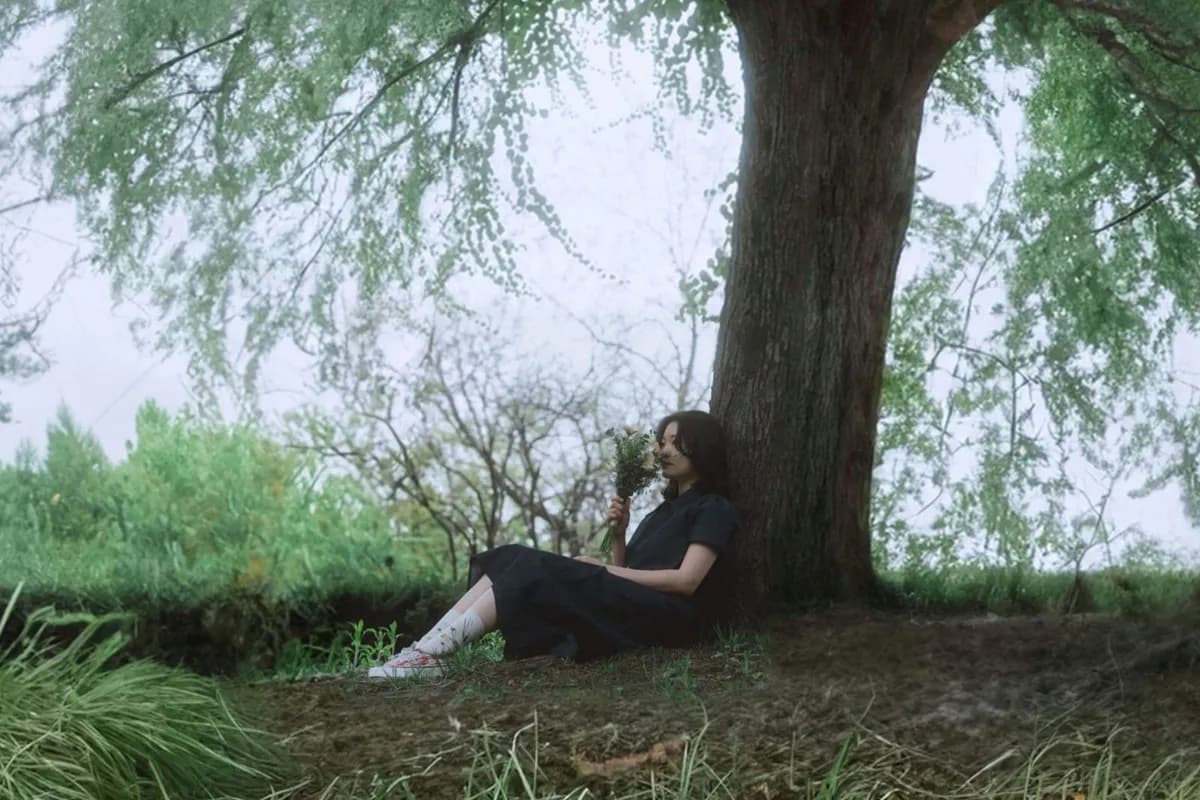
There is a particular week every year when it stops being autumn and starts being something else. You leave work and it is already dark. The mornings go grey and stay grey. Nothing in your life has actually changed, and yet by early November you are sleeping through two alarms, eating bread at 4pm for reasons you cannot explain, and finding that the people you love feel like effort.
Around that time, the question I hear most often is about light boxes. Patients have read that light therapy helps, they have seen fifty products that all claim to be the right one, and what they cannot find anywhere is a straight explanation of whether it works and how you are actually supposed to use it. So let me give you the clinical version, including the caution that most articles bury.
The short answer
Light therapy is one of the standard first-line approaches for winter-pattern seasonal depression, and it is worth trying for many people. It is not a cure, it does not work for everyone, and it is one tool rather than a treatment plan.
The usual specification is a light box rated at 10,000 lux at the distance the manufacturer states, used in the morning shortly after waking, for around 20 to 30 minutes, with your eyes open but not looking directly at the light.
Consistency matters more than session length. Daily use over a week or more is what people describe as making the difference, not one long session on a bad day.
One caution outranks everything else here. If you have bipolar disorder, or anyone has ever raised the possibility with you, do not start light therapy without speaking to a prescriber first. Light therapy can trigger manic or hypomanic symptoms.
Why mood drops as the daylight goes
The honest version of the mechanism is less tidy than the internet suggests, but the outline is well supported.
Your body runs on an internal clock that is set, more than by anything else, by light reaching your eyes in the morning. That clock governs when you get sleepy, when you wake, when your energy rises and falls, and it is wired closely into mood regulation.
As the year turns, three things happen at once:
- Sunrise moves later. You are now waking in the dark, so the morning light signal that normally anchors your clock arrives late or not at all.
- Total daylight shrinks. Less light overall, and much of what remains is dim and overcast.
- Your schedule does not move. Work, school, and school runs start at the same time in December as they did in August, so your body is being asked to function on a timetable it is no longer receiving the cues for.
The result, for some people, is a sleep and wake cycle that drifts out of alignment with the day they actually have to live. Sleep gets less restorative even when it is long. Mornings become genuinely difficult rather than just unpleasant. If sleep is already a struggle for you, our piece on the insomnia and mental health loop covers how quickly that feeds back into mood.
I want to be careful here. This is a reasonable working explanation, not a complete one, and researchers are still filling it in. What is clear enough to act on is that morning light exposure matters, and that is the principle light therapy is built on.
Seasonal affective disorder is depression, not a lesser version of it
Seasonal affective disorder is not a separate illness. It is a seasonal pattern attached to depression, meaning episodes reliably begin and end around the same time of year. The National Institute of Mental Health keeps a clear public overview of it.
That distinction matters because of how people talk themselves out of getting help. "It is just the winter blues" is a phrase I hear constantly from people who are describing genuine depression: weeks of low mood, sleeping far more than usual, withdrawing from everyone, carbohydrate cravings and weight gain, and an exhaustion that sleep does not touch. A dislike of January is not that. What I have just described is.
It also runs the other way. Not every flat February is a disorder, and I would rather you got an accurate answer than a label. Only a comprehensive evaluation can diagnose. If you want the other half of this subject, the summer-pattern version genuinely exists too, and I wrote about it in summer depression.
What a light box actually is
A light therapy box is a bright, UV-filtered lamp designed to deliver a strong light signal to your eyes at a set distance. It is not a tanning device, it is not a vitamin D device, and it does not need to be aimed at your skin.
The specification you will see everywhere is 10,000 lux, and the part people miss is the second half of that sentence: at the distance the manufacturer states. Lux falls off quickly with distance. A box that delivers 10,000 lux at 12 inches is delivering far less at arm's length on the other side of the kitchen table. If the manufacturer does not tell you the distance, the number on the box tells you nothing.
How to actually use it
This is the part worth printing and putting on the fridge.
- Use it in the morning, shortly after you wake. This is the timing the standard guidance is built around. Later in the day is where the sleep problems start.
- Sit close, at the distance the manufacturer specifies. Not across the room.
- Keep your eyes open and face forward, but do not look at the light. The light needs to reach your eyes indirectly, from slightly off to the side or above. Staring into it is not more effective and is not comfortable.
- Give it roughly 20 to 30 minutes. Do something ordinary while you sit there: breakfast, email, the news, coffee.
- Do it every day, including the days you feel fine. This is the single most important instruction in the list.
- Expect to wait. Give it at least a week or more of consistent use before you judge whether it is doing anything. A day or two tells you nothing.
- Do not compensate with marathon sessions. Doubling the time on a bad morning is not how this works. Regularity is the active ingredient.
Choosing a box without being sold to
"Light therapy" is a marketing phrase before it is a clinical one, and a great many products carry it while being nowhere near bright enough to matter. We do not sell or supply light boxes and I will not recommend a brand, but here is what to check.
- A stated lux rating at a stated distance. If either half is missing, move on.
- UV filtered. This should be stated plainly.
- A large enough panel. If a small shift in how you are sitting takes you out of the light, you will not use it consistently, because nobody holds still for 25 minutes.
- Comfortable for daily use. Glare, flicker, and awkward placement are the reasons boxes end up in cupboards by December.
One clarification that saves people money: a SAD lamp is not a red light or infrared panel. Those are sold for completely different purposes and are not what the seasonal depression guidance refers to. Nor is a very bright ordinary desk lamp a substitute.
Who should check with a clinician first
Light therapy is sold without a prescription, and it is easy to assume that means it carries no risk. That assumption is where people get hurt. A device you can buy freely can still interact with a real condition.
Talk to a clinician before starting if any of these apply:
- Bipolar disorder, or any history of manic or hypomanic episodes. This is the most important line in this article. Light therapy can trigger or worsen those symptoms, and the timing and monitoring need to be handled by a prescriber who knows your history.
- Any eye condition or retinal disease.
- Diabetes affecting the eyes.
- Medications that increase light sensitivity. Some psychiatric medications, antibiotics, and other drugs do this. Ask rather than assume.
If you are already under psychiatric care, this is a two-minute conversation at your next appointment. It is worth having.
Side effects people actually report
Most are mild and often settle or respond to adjusting distance and timing, but they are real:
- Headache
- Eye strain
- Nausea
- Feeling jittery or wired
- Trouble sleeping, which is almost always a sign it is being used too late in the day
If something feels wrong, stop and ask rather than pushing through.
Light therapy is one tool, not the plan
I would be doing you a disservice if I let a light box stand in for treatment. The things that carry the most weight in a winter depression are the same things that carry weight in any depression.
- Treating the underlying depression. A comprehensive psychiatric evaluation is what establishes what is actually going on, including whether the pattern is seasonal at all.
- Psychotherapy. Cognitive behavioral approaches have real evidence behind them for depression, including seasonal patterns, and they build skills that outlast the winter.
- Medication management where it is clinically indicated, with the reasoning explained to you rather than handed down.
- Morning daylight, even on grey days. Outdoor light on an overcast morning is still far brighter than indoor lighting. A ten-minute walk before work is not a small thing.
- A consistent wake time. Including weekends. This is unglamorous and it is one of the most reliable levers you have.
- Regular physical activity. Consistency beats intensity, and walking counts.
When a dip becomes something that needs treating
Everyone feels a bit flatter in the dark months. The line worth watching for is not about severity on one bad Tuesday, it is about duration, pattern, and function.
Consider an evaluation if:
- Low mood, heaviness, or loss of interest has been present most days for two weeks or more
- The same thing has happened in two or more consecutive years
- You are sleeping considerably more and still exhausted
- Appetite, weight, or concentration have changed noticeably
- You are pulling away from people you normally want to see
- Work, school, or parenting is being affected
- Several weeks of correctly used light therapy have not shifted anything
- You have any thoughts of death or self-harm, which warrants prompt help rather than watchful waiting
Government health resources such as the National Institutes of Health are a reasonable place to read further, but reading cannot substitute for someone taking a full history.
Frequently asked questions
Does light therapy actually work for winter depression?
Light therapy is one of the standard first-line approaches for winter-pattern seasonal depression, and many people who use it consistently report meaningful improvement. It is not a cure and it does not help everyone. It works best when it is used daily, in the morning, at the specification the manufacturer states, and alongside treatment for the underlying depression rather than instead of it. Anyone with bipolar disorder should speak to a clinician before starting.
How do you use a light therapy box correctly?
The widely published approach is to use a box rated at 10,000 lux at the distance the manufacturer states, in the morning shortly after waking, for roughly 20 to 30 minutes. You sit near it with your eyes open, facing forward, doing something ordinary like eating breakfast. You do not stare into the light. Using it late in the day can interfere with sleep. Consistency matters more than any single long session.
Is light therapy safe if you have bipolar disorder?
Not without clinical guidance. Light therapy can trigger manic or hypomanic symptoms in people with bipolar disorder, which is the single most important caution in this whole subject. That does not mean it is never used in bipolar depression, but it should be started, timed, and monitored by a prescriber who knows your history. A device you can buy without a prescription can still interact with a real condition.
What should I look for when buying a SAD lamp?
Look for a stated lux rating at a stated distance, UV filtering, and a panel large enough that small head movements do not take you out of the light. Many products are marketed as light therapy without being bright enough to do anything useful. A SAD lamp is also not the same thing as a red light or infrared panel, which are marketed for entirely different purposes and are not what the seasonal depression guidance refers to.
How long does light therapy take to work?
Most guidance suggests giving it at least a week or more of consistent daily use before judging it, and some people need longer. A single session is unlikely to change anything noticeable. If several weeks of daily, correctly timed use produce no change, that is useful information to bring to an evaluation rather than a reason to keep increasing session length on your own.
Is seasonal affective disorder a real diagnosis?
Seasonal affective disorder is a recognized seasonal pattern of depression rather than a separate illness of its own. It describes depressive episodes that reliably begin and end around the same time each year. It is not the same as briefly disliking winter. Only a comprehensive psychiatric evaluation can determine whether what you are experiencing is a seasonal pattern of depression, another condition, or something medical.
Before the clocks change, not after
The people who come through a winter best are usually the ones who made a plan in September, while they still had the energy to make one. If last winter was hard, this is the month to do something about it rather than waiting until February to admit it is happening again.
Oasis of Hope Behavioral Healthcare sees patients at our office in Waldorf, Maryland, with telepsychiatry available across the state, so a first appointment can be a video visit if that is what makes it happen on a dark morning. You can read what to expect beforehand. Call us at 301-710-4218 or reach out through our contact page, and we will start with an honest look at what the season is doing to you.
If you or someone you love is in immediate crisis, call or text 988 (the Suicide and Crisis Lifeline), or call 911. You can also read our guide to mental health crisis resources in Southern Maryland. Oasis of Hope is not an emergency service.
Talking to someone helps.
If anything here resonates, a consultation is a low-pressure first step. In-person in Waldorf or by telepsychiatry across Maryland.